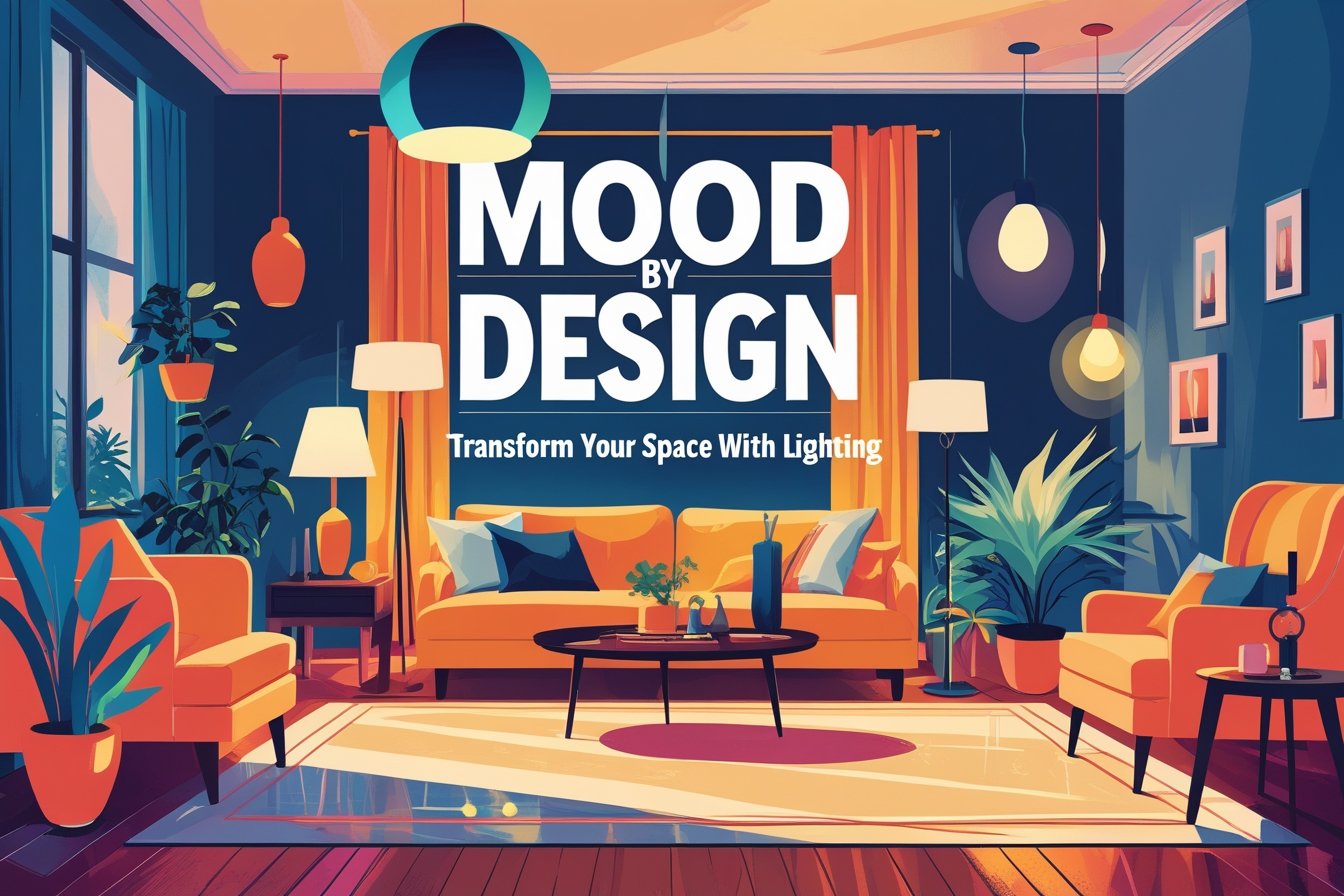
What if the secret to instant happiness lived inside your light switch? Mood lighting design isn’t just about brightening dark corners, it’s about crafting emotional experiences that transform ordinary rooms into extraordinary sanctuaries where your soul feels truly at home.
The Neuroscience of Illuminated Emotions:
How Your Brain Responds to Light Frequencies:
Lighting design directly impacts your brain’s production of serotonin, melatonin, and cortisol, the chemical messengers that control your mood, energy levels, and overall well-being. Scientific research reveals that specific light wavelengths can trigger the same neurological responses as meditation, exercise, or even antidepressant medications.
The human circadian rhythm evolved over millions of years to respond to natural light patterns. When we manipulate artificial lighting strategically, we can literally rewire our emotional responses to different spaces throughout our homes.
The Color Temperature Emotion Code:
Color temperature, measured in Kelvin (K), serves as your secret weapon for mood transformation:
- 2200K-2700K: Creates intimate, romantic atmospheres that promote relaxation and bonding
- 2700K-3000K: Generates warm, cozy feelings perfect for family gatherings and comfortable evenings
- 3000K-4000K: Establishes balanced, neutral environments ideal for productive activities
- 4000K-5000K: Stimulates alertness and focus, perfect for workspaces and task-oriented areas
- 5000K-6500K: Mimics natural daylight, boosting energy and combating seasonal depression
Understanding this emotion code allows you to deliberately craft specific feelings in each room of your home.
Architectural Psychology Through Strategic Illumination:
Spatial Perception Manipulation:
Lighting design possesses the remarkable ability to alter perceived room dimensions without moving a single wall. This phenomenon, known as architectural psychology, demonstrates how light placement and intensity can make spaces feel larger, smaller, taller, or more intimate.
Vertical lighting techniques draw the eye upward, creating the illusion of higher ceilings and more spacious environments. Horizontal lighting expands perceived width, while corner lighting eliminates harsh shadows that make rooms feel cramped and unwelcoming.
The Layered Lighting Revolution:
Professional interior designers never rely on single light sources because layered illumination creates depth, interest, and emotional complexity. The three essential lighting layers include:
Ambient lighting provides overall room illumination and sets the foundational mood. This base layer should be gentle, even, and adjustable to accommodate different activities and times of day.
Task lighting focuses on specific activities like reading, cooking, or working. These targeted light sources prevent eye strain while adding functional beauty to your space design.
Accent lighting highlights architectural features, artwork, or decorative elements. This dramatic layer creates visual interest and guides attention to your room’s most beautiful features.
The Emotional Blueprint of Each Room:
Living Room: The Heart of Connection:
Your living room serves as the emotional epicenter of your home, requiring lighting design that adapts to multiple moods and activities. The key lies in creating flexible illumination that transitions seamlessly from energizing morning light to romantic evening ambiance.
Table lamps with warm bulbs create intimate conversation zones, while floor lamps add height and drama without overwhelming the space. Dimmer switches become essential tools for adjusting mood throughout the day.
Consider accent lighting behind your television to reduce eye strain during movie nights, and use uplighting to bounce soft light off ceilings for a gentle, enveloping glow that makes everyone feel welcome.
Kitchen: The Energy Command Center:
Kitchen lighting design must balance high-energy functionality with warm hospitality. This space requires the brightest task lighting in your home while maintaining an inviting atmosphere for family gatherings and entertaining guests.
Under-cabinet lighting eliminates shadows on work surfaces while creating a sophisticated glow that makes countertops appear to float. Pendant lights over islands or breakfast bars provide focused illumination while serving as stunning decorative elements.
Ambient lighting should be layered throughout the kitchen to prevent harsh contrasts between bright work areas and darker surrounding spaces. This balance ensures comfortable visibility without creating an institutional feeling.
Bedroom: The Sanctuary of Serenity:
Your bedroom requires the most sophisticated mood lighting design because it must support both energizing morning routines and deeply relaxing evening rituals. The lighting in this space directly impacts your sleep quality and overall health.
Bedside table lamps should provide adequate reading light without disturbing your partner, while overhead lighting needs dimming capabilities for gentle morning wake-ups. Accent lighting can highlight beautiful architectural details or artwork without creating sleep-disrupting brightness.
Consider colored lighting options that shift from energizing blue-white in the morning to warm amber in the evening, supporting your natural circadian rhythms and improving sleep quality.
Bathroom: The Personal Spa Experience:
Bathroom lighting design presents unique challenges because it must flatter your appearance while providing sufficient illumination for grooming tasks. Poor bathroom lighting can negatively impact your mood every morning and evening.
Vanity lighting should come from multiple angles to eliminate unflattering shadows on your face. Wall sconces on either side of mirrors provide the most flattering illumination, while overhead lighting should be soft and diffused.
Spa-inspired lighting transforms routine self-care into luxurious experiences. Consider waterproof LED strips around mirrors or tubs, candle-like fixtures for relaxing baths, and adjustable lighting that adapts to different activities throughout the day.
Smart Technology Integration for Effortless Mood Control:
The Rise of Intelligent Illumination:
Smart lighting systems revolutionize mood by design by automating lighting changes based on time, activity, or personal preferences. These systems learn your patterns and adjust color temperature and brightness automatically to support your natural rhythms.
Voice-controlled lighting allows instant mood adjustments without interrupting your activities. Simply speaking, commands like “movie night lighting” or “energizing morning” can transform your entire space in seconds.
Smartphone apps provide unprecedented control over your home’s emotional atmosphere, allowing you to adjust lighting remotely, create custom scenes, and even sync lights with music or entertainment systems.
Circadian Rhythm Synchronization:
Advanced smart lighting systems now incorporate circadian rhythm support, automatically adjusting color temperature throughout the day to optimize your biological clock. This technology can improve sleep quality, boost energy levels, and enhance overall well-being.
These systems begin with energizing blue-white light in the morning, gradually shift to neutral tones during midday, and transition to warm amber light in the evening to promote natural melatonin production.
Budget-Conscious Brilliance Strategies:
Maximum Impact, Minimum Investment:
Transforming your space through lighting design doesn’t require expensive renovations or professional installations. Strategic bulb replacements, dimmer switch installations, and creative lamp placement can dramatically improve your home’s mood for under $200.
LED bulbs with adjustable color temperature provide the flexibility of expensive smart systems at a fraction of the cost. These bulbs can instantly change from energizing daylight to warm candlelight with simple smartphone controls.
Battery-operated lights offer incredible flexibility for accent lighting without electrical work. LED strips, puck lights, and string lights can highlight architectural features, artwork, or create dramatic effects in previously impossible locations.
DIY Lighting Enhancement Projects:
Simple DIY projects can create professional-level lighting effects using common materials and basic tools:
- Mason jar pendant lights provide rustic charm and customizable color temperature
- Paper lantern diffusers soften harsh bulbs and create gentle, romantic atmospheres
- Mirror placement strategically reflects existing light to brighten and expand spaces
- Fairy light installations add magical ambiance to bedrooms, dining areas, or outdoor spaces
These projects allow creative expression while achieving specific mood goals without professional installation costs.
Seasonal Mood Adaptation Through Light:
Winter Depression Combat Strategies:
Seasonal Affective Disorder affects millions of people during the darker months, but strategic lighting design can significantly reduce symptoms and maintain positive moods year-round. Light therapy principles can be incorporated into everyday home lighting.
Full-spectrum bulbs that mimic natural sunlight help combat winter blues, while increased brightness during morning hours supports healthy circadian rhythms. Timer systems ensure consistent light exposure even during the darkest winter days.
Summer Energy Optimization:
During bright summer months, cooling light strategies prevent homes from feeling overheated and overwhelming. Blue-white lighting creates psychological cooling effects, while reduced intensity prevents energy drain during hot weather.
Natural light management through strategic window treatments works alongside artificial lighting to maintain comfortable, energizing environments without fighting against seasonal changes.
The Art of Lighting Focal Points:
Creating Visual Hierarchies:
Accent lighting serves as the artist’s brush in interior design, directing attention to your space’s most beautiful elements while downplaying less attractive features. This selective illumination creates visual hierarchies that guide guests through your home’s story.
Artwork lighting should be three times brighter than surrounding ambient lighting to create a dramatic impact without overwhelming the piece. Track lighting or picture lights provide adjustable focus that adapts to different art pieces or seasonal displays.
Architectural feature highlighting transforms ordinary rooms into extraordinary spaces by emphasizing beautiful elements like exposed beams, textured walls, or unique ceiling details through strategic uplighting or wall washing techniques.
Garden and Outdoor Mood Extension:
Outdoor lighting design extends your home’s emotional atmosphere into gardens, patios, and entertaining areas. Landscape lighting creates magical environments that invite outdoor living and enhance your property’s natural beauty.
Path lighting provides safety while creating enchanting walkways that welcome guests and family members home. Tree uplighting adds drama and depth to outdoor spaces, while string lights create festive, celebratory atmospheres perfect for entertaining.
Cultural and Historical Lighting Inspirations:
Mediterranean Warmth Principles:
Mediterranean cultures have mastered warm lighting design that promotes relaxation, connection, and joy. These time-tested principles emphasize golden light sources, layered illumination, and natural material integration that create instantly welcoming environments.
Lantern-style fixtures, candle integration, and firelight elements bring Mediterranean warmth to any climate or architectural style. These lighting choices promote gathering, conversation, and the slow enjoyment of life’s simple pleasures.
Scandinavian Hygge Illumination:
Scandinavian hygge philosophy centers around creating cozy, comfortable environments that combat long, dark winters. Hygge lighting emphasizes soft, warm illumination that makes small spaces feel intimate and inviting rather than cramped.
Candle clusters, string light integration, and natural material fixtures create the gentle, enveloping light that defines hygge aesthetics. These techniques work beautifully in modern homes seeking comfort and tranquility.
Health and Wellness Through Intentional Lighting:
Sleep Quality Optimization:
Lighting design directly impacts sleep quality through its effects on melatonin production and circadian rhythm regulation. Bedroom lighting strategies can improve sleep onset, sleep depth, and morning alertness without medication or expensive treatments.
Red light therapy in the evening promotes natural melatonin production, while blue light elimination two hours before bedtime prevents circadian rhythm disruption. Gradual dimming systems train your body to prepare for sleep naturally.
Productivity and Focus Enhancement:
Home office lighting significantly impacts work performance, creativity, and job satisfaction. Task lighting that reduces eye strain while maintaining alertness can increase productivity by up to 23% according to workplace studies.
Adjustable lighting systems accommodate different work activities throughout the day, from energizing morning planning sessions to focused afternoon tasks to creative evening projects. This flexibility prevents lighting-related fatigue and maintains consistent performance.
Future Trends in Mood-Responsive Lighting:
Biometric Integration Possibilities:
Emerging smart lighting technology incorporates biometric feedback to automatically adjust illumination based on your current mood, stress levels, and energy needs. Heart rate monitoring, sleep pattern analysis, and activity tracking inform lighting decisions in real-time.
These systems promise to eliminate the guesswork from mood lighting design by responding to your actual physiological needs rather than preset schedules or manual adjustments.
Sustainable Emotion Design:
Future lighting design increasingly emphasizes sustainability without sacrificing emotional impact. Solar-powered systems, energy-harvesting fixtures, and biodegradable materials allow guilt-free indulgence in beautiful, mood-enhancing lighting.
LED technology continues advancing toward perfect color rendering, infinite dimming, and extended lifespans that reduce environmental impact while improving lighting quality and emotional response.
Conclusion:
Mood by design represents more than mere decoration, it’s the conscious creation of emotional environments that support your happiest, most productive, and most authentic self. Through strategic lighting design, every room becomes a canvas for crafting the feelings, memories, and experiences that make your house truly feel like home.
FAQs:
Q1: What’s the best lighting temperature for relaxation?
A: Warm lighting between 2200 K and 2700 K promotes relaxation by supporting natural melatonin production.
Q2: Can lighting really improve my mood?
A: Yes, research shows proper lighting can increase serotonin levels and reduce depression symptoms significantly.
Q3: How many light sources should each room have?
A: Ideally, 3-5 different light sources per room to create proper layering and mood flexibility.
Q4: Are smart lights worth the investment?
A: Smart lights offer convenience and health benefits that typically justify their higher upfront costs.
Q5: What’s the biggest lighting mistake people make?
A: Relying on single overhead fixtures instead of creating layered lighting with multiple sources.
Q6: Can I improve my sleep with better bedroom lighting?
A: Absolutely – eliminating blue light before bed and using warm lighting can dramatically improve sleep quality.